Soot Damage Cleanup in Austin, TX
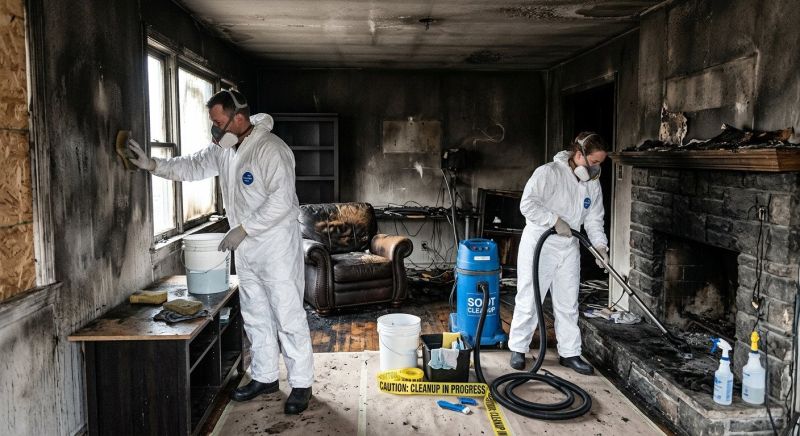
Soot damage cleanup services focus on restoring properties affected by soot residues resulting from fires, smoke, or other combustion sources. These services typically include removing soot deposits from surfaces such as walls, ceilings, and furniture, as well as cleaning HVAC systems and ventilation ducts to prevent lingering odors and airborne particles. Homeowners often seek this service after experiencing a household fire or smoke incident, aiming to improve indoor air quality and restore the appearance of affected areas.
Before requesting soot damage cleanup, property owners usually want to understand the extent of the damage, the types of surfaces involved, and the cleaning methods used. It’s helpful to know whether the soot has penetrated porous materials or if specialized cleaning is needed for delicate surfaces. Clarifying what the process involves can assist in planning the restoration and ensuring that all residues and odors are effectively addressed, returning the space to a safe and clean condition.
Many property owners in Austin, TX look into Soot Damage Cleanup for repairs, replacements, upgrades, and appearance-related improvements.
Understanding Soot Damage
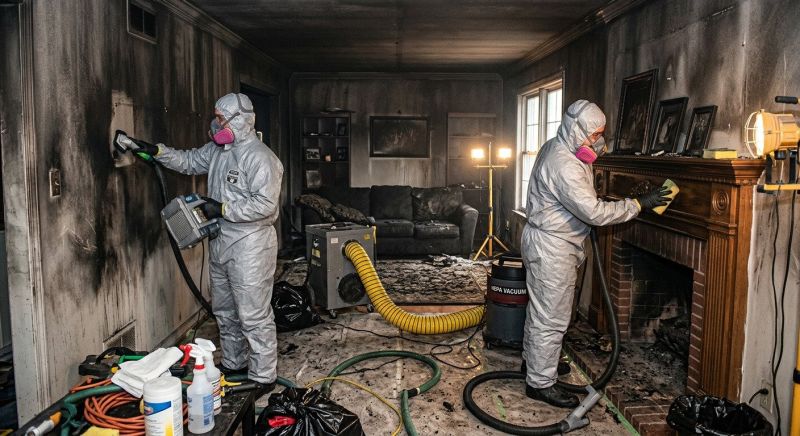
Soot residue can affect indoor air quality and surface cleanliness after fire incidents.
Cleanup Techniques
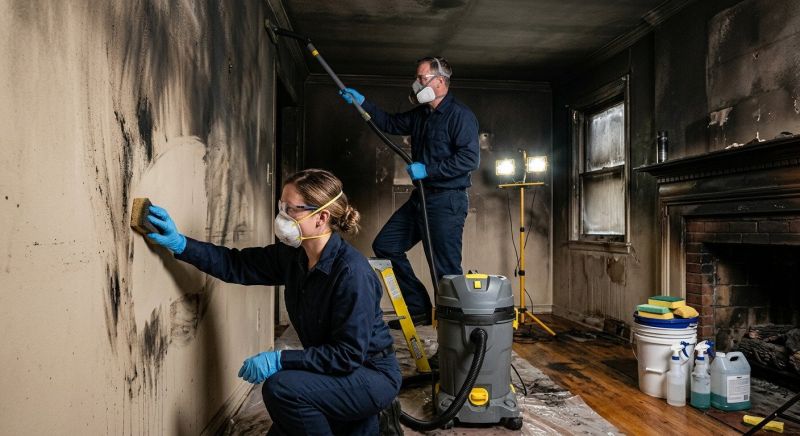
Effective soot removal involves specialized cleaning methods to restore surfaces and prevent odors.
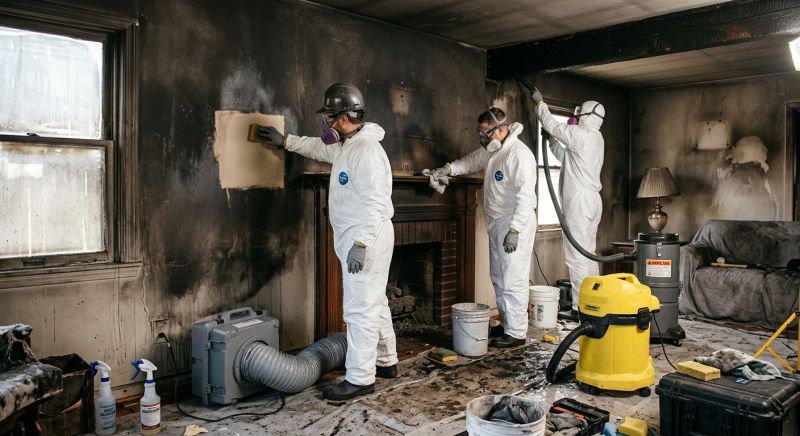
Property Restoration Tips
Proper soot cleanup can help protect property value and ensure a healthier living environment in austin, tx.
Soot Damage Cleanup in Austin, TX

Soot damage cleanup services focus on restoring properties affected by soot residues resulting from fires, smoke, or other combustion sources. These services typically include removing soot deposits from surfaces such as walls, ceilings, and furniture, as well as cleaning HVAC systems and ventilation ducts to prevent lingering odors and airborne particles. Homeowners often seek this service after experiencing a household fire or smoke incident, aiming to improve indoor air quality and restore the appearance of affected areas.
Before requesting soot damage cleanup, property owners usually want to understand the extent of the damage, the types of surfaces involved, and the cleaning methods used. It’s helpful to know whether the soot has penetrated porous materials or if specialized cleaning is needed for delicate surfaces. Clarifying what the process involves can assist in planning the restoration and ensuring that all residues and odors are effectively addressed, returning the space to a safe and clean condition.
Many property owners in Austin, TX look into Soot Damage Cleanup for repairs, replacements, upgrades, and appearance-related improvements.
Common Soot Damage Cleanup Jobs
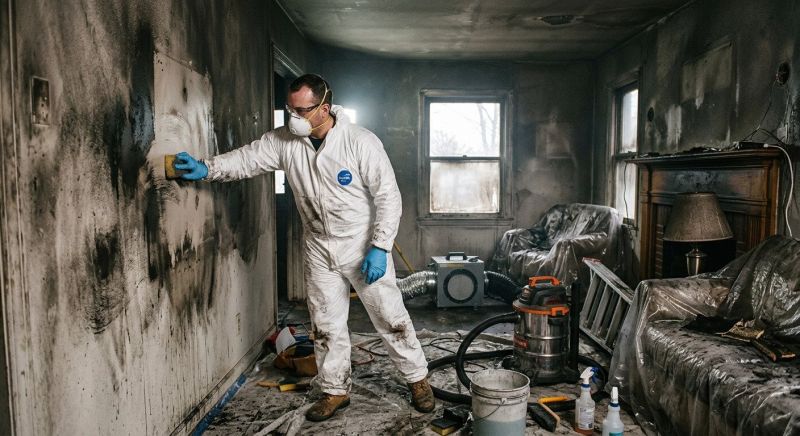
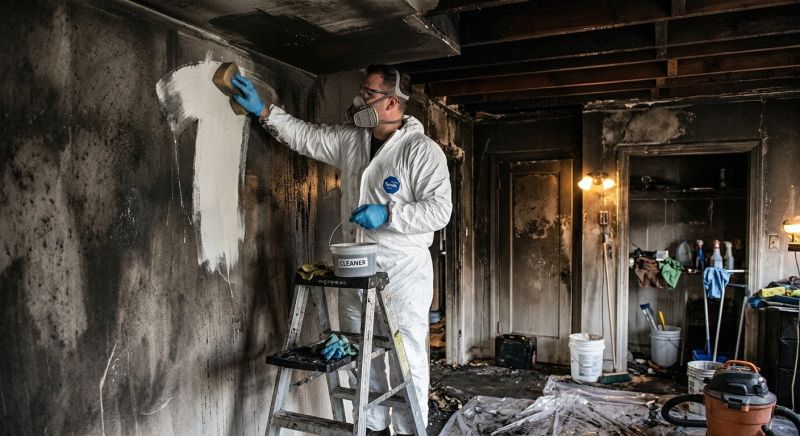
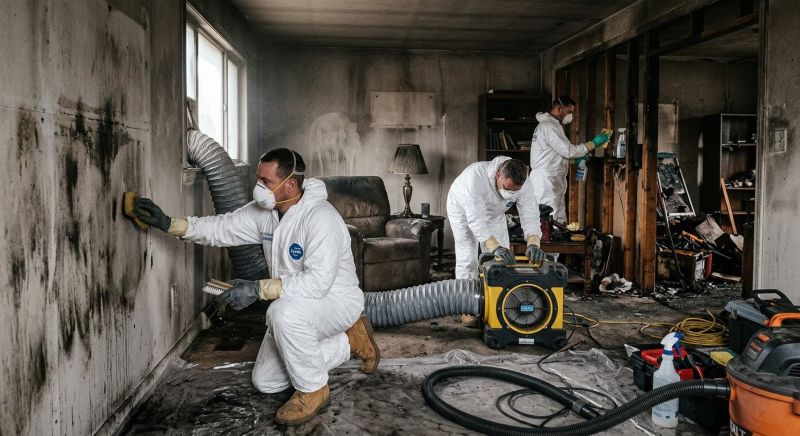
Soot Damage Cleanup - Removes soot residue from walls, ceilings, and surfaces after fire incidents.
Fire Damage Restoration - Restores home interiors affected by smoke and soot to their pre-loss condition.
Odor Removal - Eliminates persistent smoke odors caused by soot deposits.
Surface Cleaning - Cleans and deodorizes affected furniture, fixtures, and appliances.
Structural Cleaning - Ensures soot is thoroughly removed from insulation, framing, and other structural elements.
Preventative Services - Assists in minimizing future soot buildup through proper cleaning techniques.
Soot Damage Cleanup Questions
What causes soot damage in homes? Soot damage typically results from fires, smoke, or incomplete combustion that deposits residue on surfaces.
How does soot affect property surfaces? Soot can stain walls, ceilings, and furnishings, and may cause lingering odors if not properly cleaned.
What materials can be cleaned during soot damage cleanup? Commonly cleaned materials include drywall, wood surfaces, fabrics, and HVAC components.
Why is professional soot cleanup recommended? Professionals use specialized equipment and techniques to safely remove soot and prevent further damage or contamination.
Request Soot Damage Cleanup in Austin, TX
Use the quote form on this page to share the basics of your project and request more information for the type of work you need.